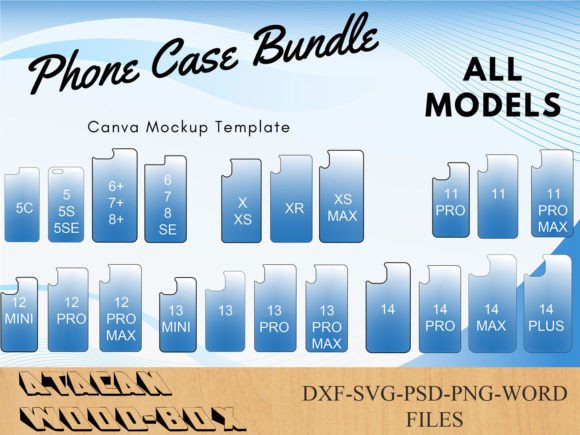
Iphone Case Template Smartphone Cases
First Impression: Clean, Versatile, and Surprisingly Adaptable
When I opened Iphone Case Template Smartphone Cases for the first time—intending to prep a batch of embroidered tote bags for a local boutique—I paused. It wasn’t flashy or overly detailed, but it had quiet confidence: a clean silhouette with subtle contour lines, balanced negative space, and just enough structure to read instantly as “phone case” without leaning into cliché. As a designer who’s stitched hundreds of logos, monograms, and themed motifs, I appreciated how its minimalism doesn’t sacrifice clarity. It feels like a *design asset*, not just clipart—especially when scaled down for a baby onesie pocket or up for a pillow cover border.
Where It Shines in Real Embroidery Projects
I tested Iphone Case Template Smartphone Cases across six real-world applications: a linen tea towel (for a holiday kitchen set), a cotton twill apron (small shop merchandise), a lightweight unstructured cap (craft fair stock), a 100% cotton sweatshirt (custom apparel), a felt-backed embroidered patch (Etsy seller inventory), and a soft cotton baby bib (personalized gift). In every case, it held up—not because it’s complex, but because its proportions and line weight translate cleanly into stitch.
- Sweatshirt embroidery: The shape stayed crisp over fleece texture—no bleeding or distortion when using medium-weight cutaway stabilizer.
- Embroidered patch: Worked beautifully as an applique design base; the outline lent itself naturally to satin stitch edges, and the interior space was generous enough for subtle fill stitch texture or even a tiny monogram.
- Tote bag design: Scaled to 3.5" wide, it sat elegantly on the lower corner—professional, modern, and instantly legible from three feet away.
- Baby embroidery: On a 100% cotton knit bib, I reduced density slightly and used a light tear-away stabilizer—still sharp, still charming, no puckering.
It’s especially strong for small business owners building cohesive branding: imagine pairing this motif with a simple font-based business name on a matching set of aprons, towels, and patches. No visual competition—just calm, consistent recognition.
Where to Proceed Thoughtfully
Like any smart design, Iphone Case Template Smartphone Cases isn’t universal—and that’s a good thing. Its strength is intentionality, not brute versatility. Here’s where I slowed down:
- Curved surfaces: On a structured baseball cap front, the straighter bottom edge required slight digitizing adjustment (a gentle curve added in my embroidery software) to avoid tension gaps. Not a flaw—just a reminder that flat templates need minor tailoring for 3D wearables.
- Thin or stretchy fabric: On a lightweight rayon blend tee, I doubled the stabilizer and reduced top thread tension. Without those tweaks, the outline softened slightly—still readable, but less “premium.”
- Dense stitch areas: Though it’s primarily outline- and open-space–driven, some versions include fine interior detailing (like camera lens rings). Those tiny elements need at least a 4" hoop and careful thread color contrast—especially on dark fabric.
- Frequent-wash items: For kitchen towels or baby items, I avoided heavy satin stitch on the outer frame and leaned into running stitch + light fill instead. Holds up better long-term.
What It Adds to Your Handmade Product—and Your Customer’s Experience
This isn’t just about stitching a shape—it’s about signaling care, clarity, and craft intelligence. When customers see Iphone Case Template Smartphone Cases on a custom embroidered pillow cover, they don’t think “generic phone graphic.” They think *“this maker understands balance, scale, and purpose.”* That perception lifts perceived value—critical for Etsy sellers pricing handmade products above mass-market alternatives.
It also supports brand consistency without demanding uniformity. Use it in black thread on ivory linen for a wedding gift set; switch to mint and gold metallics for a boutique’s spring collection; invert it in white-on-navy for a tech-themed baby nursery. The motif stays recognizable, but never repetitive.
Practical Designer Notes Before You Stitch
Before adding Iphone Case Template Smartphone Cases to your next embroidery project—or listing it as part of a digital product bundle—here’s what I do every time:
- Test on scrap fabric that matches your final substrate (yes, even if it’s “just cotton”). Fabric texture changes everything.
- Check thread color contrast early—especially if planning black-and-white mockups for Canva listings or social previews.
- Review stitch density: If you’re layering it over another design (e.g., a name inside the case outline), reduce fill density by 15–20% to prevent bulk.
- Confirm hoop size compatibility—some variations of this template extend just beyond a standard 4×4 hoop at full scale.
- Inspect corners and interior details at 200% zoom in your embroidery software. Tiny gaps or overlapping vectors can cause jump stitches.
- Use proper stabilizer: Cutaway for knits, tear-away for stable wovens, and adhesive+tear-away for layered or slippery fabrics.
- Verify licensing: Since it’s categorized under Graphics and compatible with Canva, double-check whether commercial use—including finished product sales or digital embroidery file resale—is explicitly permitted.
Finally—don’t skip the black-and-white mockup test. A design this clean should read powerfully in monochrome. If it fades or loses definition there, it’ll struggle on textured or low-contrast fabrics in real life.
Final Thought: A Quietly Confident Design Asset
Iphone Case Template Smartphone Cases won’t shout. It won’t overwhelm. But it will sit perfectly on a linen market bag beside a hand-poured candle, hold steady on a toddler’s backpack after six washes, and look intentional—not incidental—on your Etsy thumbnail. For embroidery designers and creative entrepreneurs who value clarity over clutter, it’s not just a template. It’s a thoughtful, reusable note in your visual vocabulary—one that earns trust, invites repeat orders, and quietly says, “I designed this *for you*—not just *with you*.”