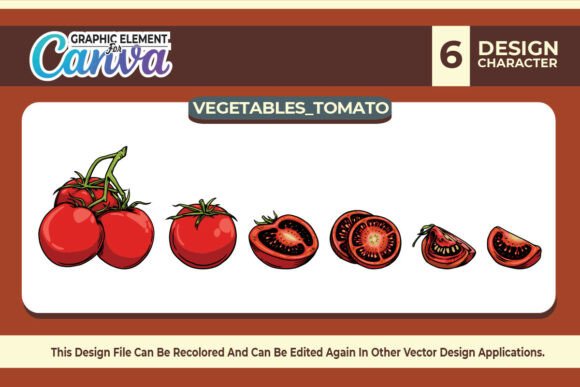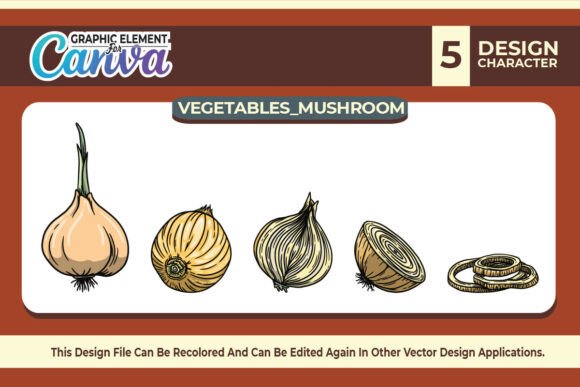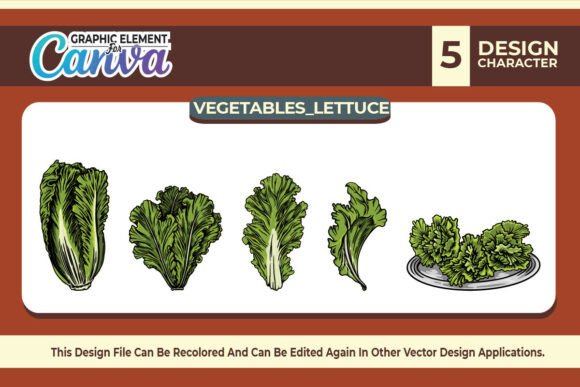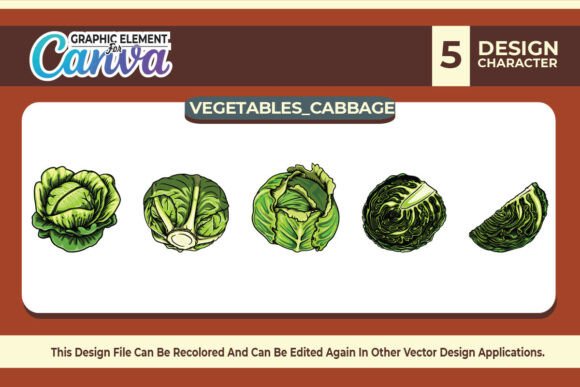
Green Bean Vegetables Vector Set
A Farm-Fresh Design That Actually Stitches Well
As someone who’s stitched green beans onto baby onesies, embroidered them onto linen tea towels for a local farm stand, and tested dozens of “cute vegetable” graphics for client projects, I opened the Green Bean Vegetables Vector Set expecting charm—and hoping for stitchability. What stood out immediately wasn’t just the cheerful, slightly bouncy shape of each bean pod, but how cleanly the outlines resolved at small scales. These aren’t cartoonish blobs; they’re intentional, balanced, and built with clear negative space between leaves and stems—critical when you’re translating vector art into thread.
Fits Right Into Real Projects—Not Just Mockups
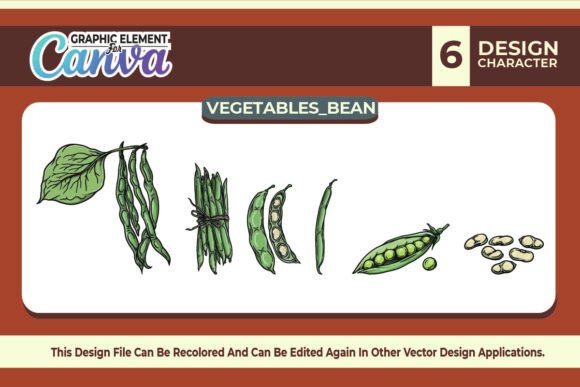
Last week, I used one of the six illustrations from the Green Bean Vegetables Vector Set to design a custom embroidered tote bag for a CSA subscription box. The client wanted something friendly but not childish—farm-fresh, not cutesy. I chose the mid-size bean with two curved pods and subtle leaf detail, resized it to 3.2 inches wide, and digitized it using a mix of satin stitch for the pod curves and light fill stitch for the leaves. It stitched cleanly on medium-weight canvas with tear-away + cutaway stabilizer combo. No skipped stitches. No thread nests. And customers noticed: three people asked where the design came from before the first delivery.
Where This Set Shines (and Where It Needs Thought)
The Green Bean Vegetables Vector Set works beautifully for:
- Sweatshirt embroidery—the bold silhouettes hold up well on textured fleece, especially when placed on the chest or sleeve cuff;
- Embroidered patches—clean edges mean crisp borders after heat-sealing or sew-on application;
- Baby embroidery—soft curves and gentle proportions read as soothing, not busy, on onesies and burp cloths;
- Kitchen textiles—tea towels, aprons, and pillow covers benefit from the organic rhythm of the bean clusters;
- Holiday or wedding gifts—think “farm-to-table” bridal shower totes or heirloom-style kitchen linens.
But here’s what I watched closely: fine details like vein lines in the leaves and thin stem connectors can disappear on dense fabrics or under heavy stitch density. On a stretchy cotton jersey tee? I’d simplify those elements manually—or skip that particular variant altogether. And while the set includes six characters, only four translate reliably below 2.5 inches without losing definition. If you’re stitching for caps or curved surfaces, test the smallest version on scrap fabric first—especially with high-pile fabrics like terry cloth or fleece.
Design Integrity Meets Commercial Practicality
This isn’t just about prettiness. As an Etsy seller and small shop owner myself, I know customers scan for authenticity—not just “handmade,” but thoughtfully made. The Green Bean Vegetables Vector Set supports that. Its consistent line weight and balanced spacing help maintain brand cohesion across product lines: same bean on a patch, same bean scaled down on a gift tag, same bean re-colored for a seasonal listing. That kind of flexibility builds trust—both with buyers and your own workflow.
It also performs well in printable mockups. Since the files include SVG, PDF, and PNG formats, I dropped one into Canva, layered it over a neutral linen texture, and generated five clean lifestyle previews in under ten minutes—perfect for Instagram listings or wholesale lookbooks. No pixelation. No jagged edges. Just quiet professionalism.
What You’ll Want to Check Before Stitching
Before committing to a full run—whether for personal use or commercial embroidery—here’s my quick checklist:
- Test on scrap fabric that matches your final material (e.g., twill for caps, rib knit for tees);
- Review stitch density—dense fill areas may need reduced density or alternate stitch types on lightweight fabrics;
- Confirm hoop size compatibility, especially if using smaller hoops (4x4 or 5x7) for baby items or patches;
- Inspect small details like leaf tips and stem junctions—they’re delicate in vector form and may require manual cleanup before digitizing;
- Try black-and-white mockups to assess contrast and readability on both light and dark backgrounds;
- Use appropriate stabilizer: cutaway for knits, tear-away for stable wovens, and fusible for lightweight linens;
- Verify licensing terms—since this is a Graphics asset listed for Canva, confirm whether commercial use (e.g., selling finished embroidered products or digital embroidery files) is permitted under its license;
- Compare thread colors carefully—green beans read differently in olive, kelly, sage, and mint; swatch before production.
A Quietly Versatile Workhorse—Not a Trendy Flash-in-the-Pan
I’ve seen too many “farm-themed” graphics fall apart at the stitch line: overly intricate, poorly spaced, or built for screen-only viewing. The Green Bean Vegetables Vector Set avoids those pitfalls. It doesn’t shout. It doesn’t overpromise. It offers six distinct, editable characters—each with enough personality to feel hand-drawn, but enough structure to digitize efficiently.
For craft business owners building cohesive collections, it’s a reliable anchor. For embroidery designers juggling client deadlines, it’s a time-saver with integrity. And for makers who care how their handmade product feels in someone’s hands—and how it holds up after washing, folding, and daily use—it’s a thoughtful starting point.
If you’re curating design assets for custom apparel, personalized gifts, or small shop merchandise, this set earns its place—not because it’s trendy, but because it works. Not perfectly in every situation, but thoughtfully, consistently, and with room to adapt. That’s the kind of reliability real embroidery projects demand.