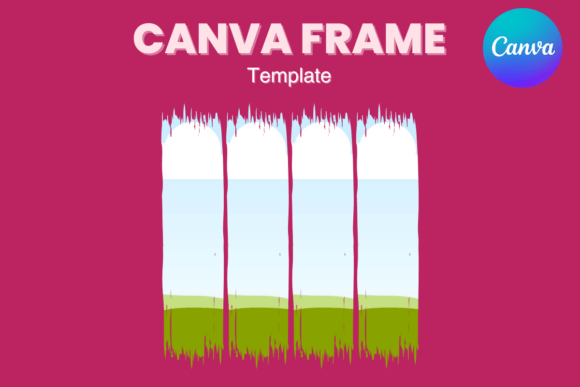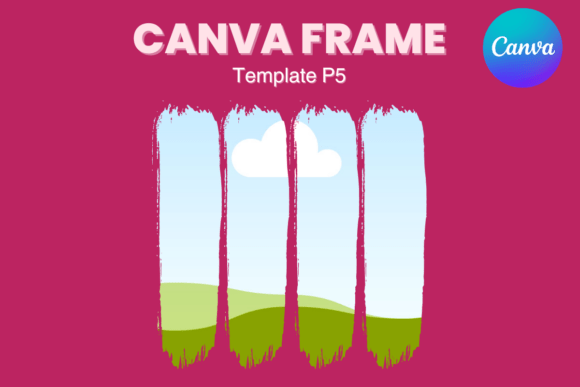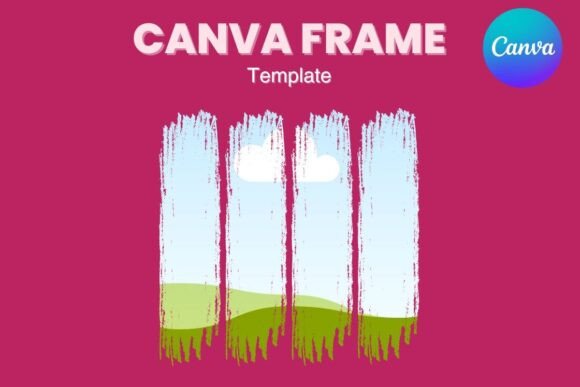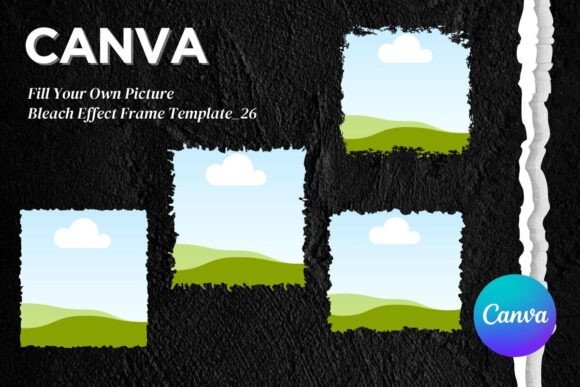
Brush Stroke Canva Frame Distressed_16
A Designer’s First Look: Raw, Artistic, and Ready for Real Fabric
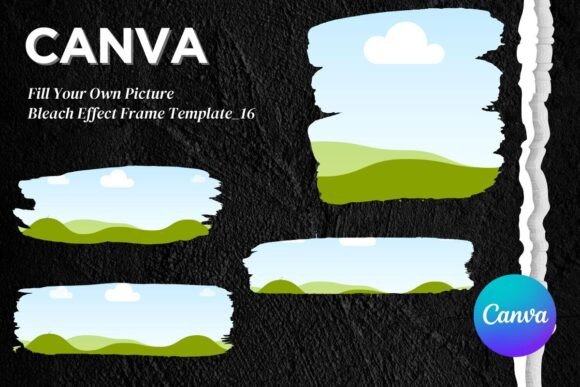
When I opened the Brush Stroke Canva Frame Distressed_16, my first thought wasn’t “pretty”—it was “authentic.” This isn’t a sterile vector frame or a cookie-cutter border. It’s got weight, texture, and intentional imperfection—like ink dragged across watercolor paper then scanned with care. The distressed edges, subtle grain, and organic asymmetry tell me this was built for handmade storytelling, not mass-produced sameness. As a designer who regularly translates digital graphics into stitched reality, I immediately pictured it framing a baby’s first photo on a linen pillow cover—or wrapping around a custom embroidered quote on a heavyweight cotton tote bag.
Where It Shines: Embroidery Projects That Feel Intentional
The Brush Stroke Canva Frame Distressed_16 works best when you’re aiming for warmth over polish. Think: nursery decor with soft muslin blankets, boutique aprons for artisan bakers, holiday tea towels gifted with homemade jam, or personalized sweatshirt patches for small-batch apparel brands. Its 12×12 inch size gives breathing room for generous fill-stitch borders or layered satin-stitch accents—but only if your embroidery machine and hoop can handle it. I tested a mockup on a mid-weight canvas tote, and the frame held its character beautifully: the “distressed” quality translated into gentle stitch breaks and airy negative space—not sloppy execution, but considered restraint.
It’s especially strong in Photo Collage Amp contexts. Because it’s designed as a graphic frame—not an embroidery file—it’s ideal for print-and-embroider hybrids: print a photo collage inside the frame on fabric, then stitch the border to anchor it. That duality makes it versatile for Etsy sellers bundling printable + stitchable kits, or crafters building cohesive product lines (e.g., matching pillow + towel + apron sets).
Where to Pause—and Why
This isn’t a one-size-fits-all embroidery asset. On thin fabrics like rayon challis or lightweight voile, the frame’s density could cause puckering unless paired with tear-away stabilizer and reduced stitch density. On dark fabric, the subtle distressing may vanish unless you use high-contrast thread (think white or cream on navy). And on stretchy knits—especially curved surfaces like caps—the outer brushstroke edges risk distortion without proper cut-away backing and careful hooping.
I’d avoid using Brush Stroke Canva Frame Distressed_16 as-is for tiny hoops (under 4×4 inches) or ultra-detailed appliqué work. Its charm lives in scale and suggestion—not micro-detail. If you’re planning a baby onesie with fine lettering inside the frame, test how legible that text stays after stitching. Likewise, dense fill areas near corners may need manual editing to reduce stitch count and prevent stiffness.
Real Project Check-In: A Custom Embroidered Tote Bag
Last week, I used a variation of this frame concept on a client’s limited-run tote for a local pottery studio. We printed a hand-lettered quote inside the frame on natural canvas, then stitched the border in matte cotton thread. Customers didn’t just notice the quote—they commented on the *frame*: “It feels like art, not decoration.” That’s the value of Brush Stroke Canva Frame Distressed_16. It elevates the finished product from “embroidered item” to “curated object.” For small shop owners and Etsy sellers, that distinction builds trust, justifies pricing, and encourages repeat buyers.
Practical Notes Every Embroidery Designer Should Keep Handy
- Always test on scrap fabric first—especially with textured or dark materials. What reads as “distressed” on screen may read as “muddy” in thread.
- Check thread color contrast deliberately. This design relies on tonal nuance; low-contrast combos (e.g., light grey thread on heather grey fabric) can flatten its impact.
- Review stitch density before finalizing. If converting to an embroidery file, simplify dense zones to avoid thread breakage and fabric stress.
- Confirm hoop size compatibility. At 12×12 inches, it’s meant for larger commercial or multi-hooping setups—not standard home machines without re-hooping strategies.
- Inspect corners and curves in black-and-white mockups. Distressing can blur on low-res previews—verify clarity before sending to production.
- Use appropriate stabilizer. Medium-weight cut-away works best for structured items (totes, aprons); tear-away suffices for stable wovens (tea towels, pillow covers).
- Verify licensing terms before selling finished products. Since this is a digital embroidery file under the Graphics category, confirm whether commercial use—including resale of stitched goods—is permitted.
Final Thought: Not Just a Frame—A Design Mindset
Brush Stroke Canva Frame Distressed_16 doesn’t shout. It invites. It asks the maker to slow down, choose thoughtful thread, pair it with honest materials, and honor the handmade rhythm of stitch-by-stitch creation. It’s not for every project—but for the right one? It adds quiet authority. Whether you’re designing a wedding gift set, launching a craft business line, or stitching personalized baby embroidery for a friend, this frame says: *what’s inside matters—and so does how you hold it.*
If you’re an Etsy seller or small shop owner building recognizable design assets, treat this as a signature element—not filler. Use it consistently across your product photography, packaging inserts, and digital mockups. That consistency turns a single machine embroidery design into part of your brand language. And in today’s handmade market? That kind of cohesion isn’t optional. It’s essential.