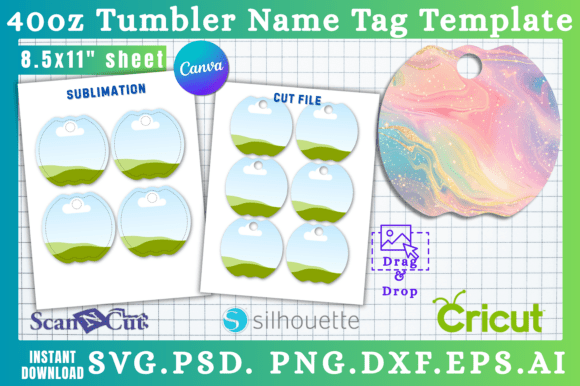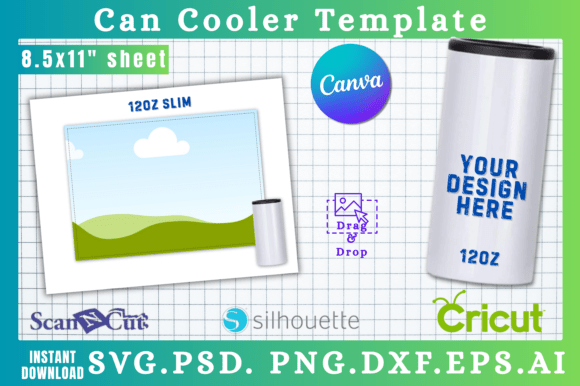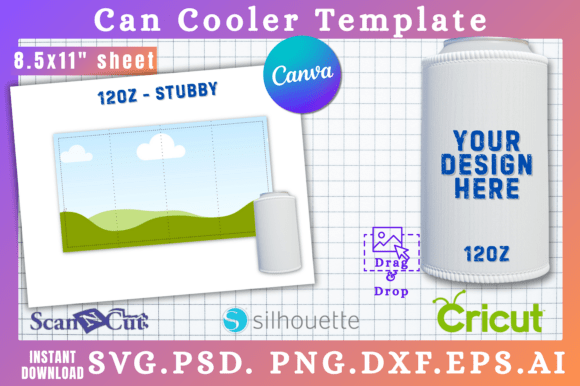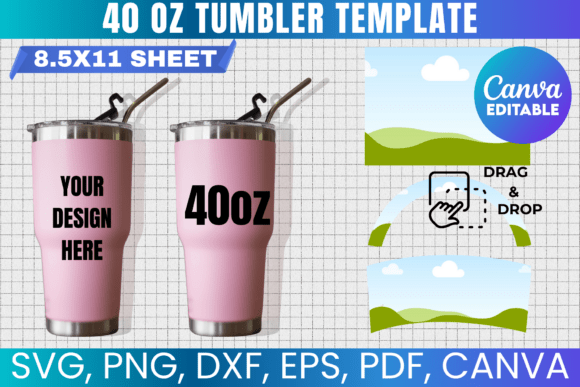
12oz Sippy Cup Tumbler Template
As a designer who’s stitched over 300 custom baby gifts, boutique totes, and Etsy-ready embroidery kits in the past two years, I opened the 12oz Sippy Cup Tumbler Template expecting a clean, functional wrap — not a decorative motif. What I found was exactly that: a no-frills, precisely scaled blank canvas built for real-world use. It doesn’t try to be cute or clever. It’s a tool. And in embroidery, the best tools are the ones you forget you’re using — until your finished product lands perfectly on a curved surface without warping, puckering, or awkward gaps.
A Real Project Moment: Stitching for a Nursery Boutique Launch
Last month, I was prepping embroidered tea towels and matching baby bibs for a local nursery boutique’s spring collection. Their new line included personalized sippy cup sets — and they asked if I could add subtle, coordinated embroidery to the cotton twill tote bags that held each set. Not logos. Not names. Just quiet, cohesive branding. That’s when I reached for the 12oz Sippy Cup Tumbler Template. I dropped it into Canva, resized it to fit a 4” x 5” hoop area, added a soft monogram in the center, and ran a test stitch on medium-weight cotton twill. The result? A crisp, centered design that looked intentional — not slapped on. Customers didn’t see “template.” They saw thoughtfulness.
First Impressions: Simplicity With Purpose
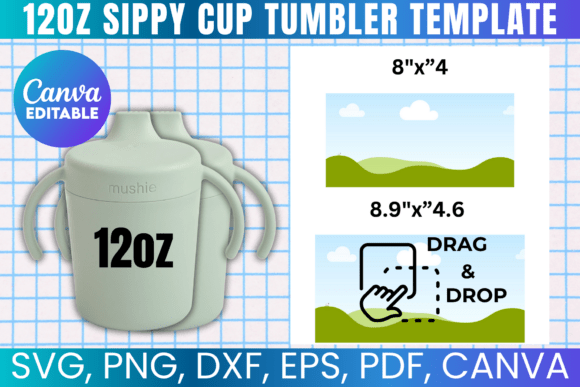
The 12oz Sippy Cup Tumbler Template isn’t flashy — and that’s its strength. Its shape is true-to-life: slightly tapered at the top, gently rounded at the base, with clear seam allowances marked for sublimation or print-and-cut workflows. Visually, it reads as calm, practical, and scalable. There’s no extraneous ornamentation, which means it adapts beautifully whether you’re adding a minimalist script name, a tiny floral applique design, or a single-color satin stitch border. It feels like a well-cut pattern piece: designed to support your idea, not compete with it.
Where It Shines (and Where It Needs Care)
This template excels on stable, medium-weight fabrics — think denim totes, brushed cotton sweatshirts, linen pillow covers, and structured baby caps. On those surfaces, the proportions hold. The curve maps cleanly. You get even tension across fill stitch areas and no distortion in satin stitch borders.
But here’s where attention matters:
- Small hoop sizes: If you’re working in a 3” round hoop, avoid placing fine text or tight corners near the taper — the geometry compresses there.
- Stretchy or thin fabric: Use cutaway stabilizer underneath. Without it, the curve can exaggerate puckering, especially on jersey or ribbed baby onesies.
- Dark fabric: The template itself has no built-in contrast guidance, so test thread colors early. A light gray fill stitch may disappear on charcoal; go for ecru or white instead.
- Curved surfaces like caps: This is *not* a cap-optimized layout — it’s tumbler-specific. Don’t force it onto a curved crown without adjusting the arc manually in your embroidery software.
- Frequent-wash items: Since it’s a blank template (no dense underlay), reinforce high-friction zones — like the bottom edge of a kitchen towel — with an extra run of running stitch or light zigzag fill.
Design Integrity Meets Commercial Reality
For Etsy sellers and craft business owners, the 12oz Sippy Cup Tumbler Template quietly elevates perceived value. When customers see a perfectly fitted, proportionally accurate embroidery on a tote bag — one that mirrors the actual sippy cup inside — it signals care. No guesswork. No awkward stretching. Just consistency. That builds trust faster than any listing description.
It also streamlines your workflow. Because it’s offered in SVG, PNG, DXF, and PDF — plus Canva Editable — you can mock up listings fast, prep digital embroidery files with precision, and even repurpose the outline for printable packaging labels or social media banners. As a graphics asset, it bridges physical and digital presentation seamlessly.
Practical Embroidery Designer Notes
Before stitching your first 12oz Sippy Cup Tumbler Template-based project, do these five things:
- Test on scrap fabric — same weight and stretch as your final product. Watch how the curve behaves during hooping and stitching.
- Check thread color contrast in both natural and artificial light. What reads clearly on screen may vanish on textured fabric.
- Review stitch density if you’re adding your own motifs inside the template. Overfilling the center can cause stiffness or shadowing on lightweight items like baby blankets.
- Confirm hoop size compatibility — especially if you’re using multi-position hoops or rotating frames. The template’s width fits standard 4”–5” hoops, but verify before digitizing.
- Inspect small details in black-and-white mockups. Does the outline remain legible at 75% scale? That tells you how well it’ll translate to tiny patches or embroidered keychains.
And always — always — check licensing terms before selling finished products or reselling digital versions. This is a graphics file, not a machine embroidery design out of the box. You’ll need to digitize your artwork into a stitch file yourself, or pair it with a compatible embroidery file. If you’re offering personalized gifts or wholesale items, confirm whether commercial use is permitted.
Final Thought: A Quiet Workhorse, Not a Showstopper
The 12oz Sippy Cup Tumbler Template won’t go viral on Instagram. It won’t win a design award. But it will make your next batch of embroidered baby gifts look polished. It will help your Etsy shop photos feel cohesive. It will let you say “yes” to a custom tote request without scrambling to draft a shape from scratch. In embroidery — where time, consistency, and clarity matter most — that kind of reliability isn’t boring. It’s essential.
Use it as intended: as a foundation. Then build something memorable on top.